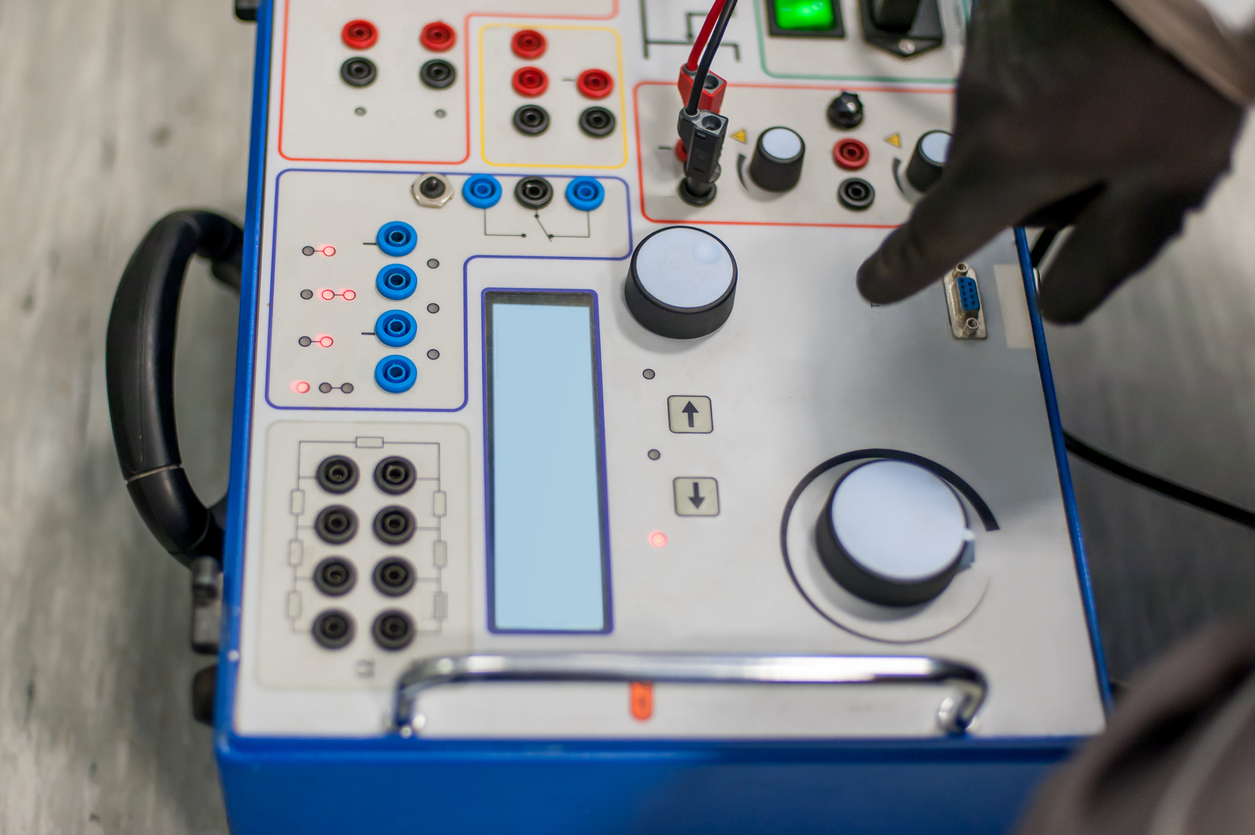
Welder & Generator Load Bank Testing
Ensure Peak Performance When It Matters Most
Load bank testing is one of the most important — and most overlooked — maintenance procedures for power generation and welding equipment. It’s the only reliable way to confirm that a generator or welding machine will actually perform at its rated capacity when called upon, rather than failing under real-world load conditions.
What Is Load Bank Testing?
A load bank is a portable or fixed device that applies a controlled, adjustable electrical load to a generator or welder, simulating real operating conditions without relying on the facility’s actual electrical demand. This allows technicians to safely evaluate how the equipment performs under stress — from light loads all the way up to full rated capacity.
Why It Matters
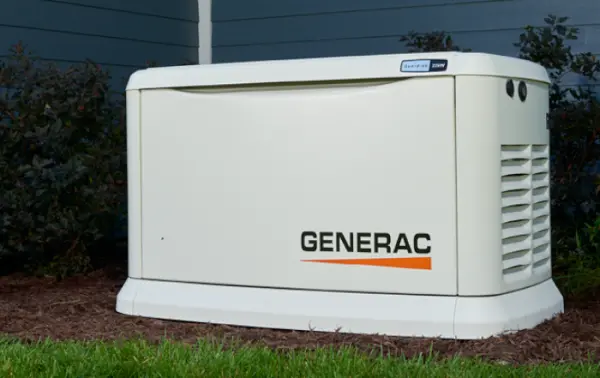
For Generators
- Prevents wet stacking — a buildup of unburned fuel and carbon in the exhaust system caused by prolonged operation at low load, which reduces efficiency and can cause long-term engine damage.
- Verifies true capacity — confirms the generator can actually deliver its nameplate rating, not just run.
- Reduces risk of failure during an actual outage, when backup power is needed most.
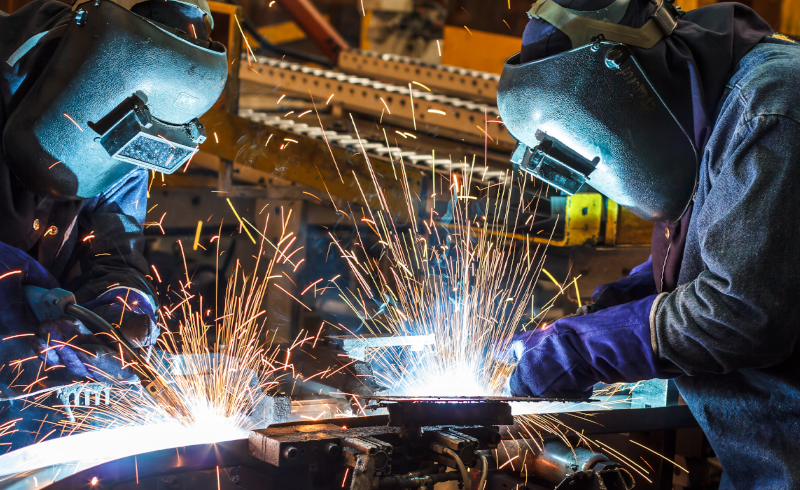
For Welding Machines
- Confirms sustained performance under duty-cycle conditions, ensuring the machine won’t drop output or overheat mid-job.
- Protects weld quality by identifying voltage or current instability before it affects production welds.
- Extends machine life by catching early signs of component stress, poor cooling, or degraded connections.
The Testing Procedure
- Baseline Inspection — Visual and mechanical check of the unit, connections, and cooling systems before testing begins.
- Incremental Loading — The load bank applies load in controlled steps, typically 25%, 50%, 75%, and 100% of rated capacity.
- Data Monitoring — Throughout each stage, technicians record:
- Voltage output and stability
- Current draw
- Frequency (for generators)
- Temperature of critical components
- Fuel consumption and exhaust characteristics (generators)
- Full-Load Sustain — The unit is held at or near 100% load for a set duration to confirm it can sustain rated output without overheating or voltage drop.
- Cool-Down & Final Inspection — Post-test checks confirm no damage occurred and the unit returns to normal operating parameters.