September 29, 2026
You invested in a backup generator or a professional welding machine to keep work running smoothly. You might run it for a few minutes every month to check the oil and listen to the engine. It sounds fine. But hearing an engine run in the driveway doesn’t guarantee it will do what you need it to when a storm comes or when you start a work on the ranch. There’s only one way to know for sure that your equipment can do what you need: load bank testing.
What Is Load Bank Testing?
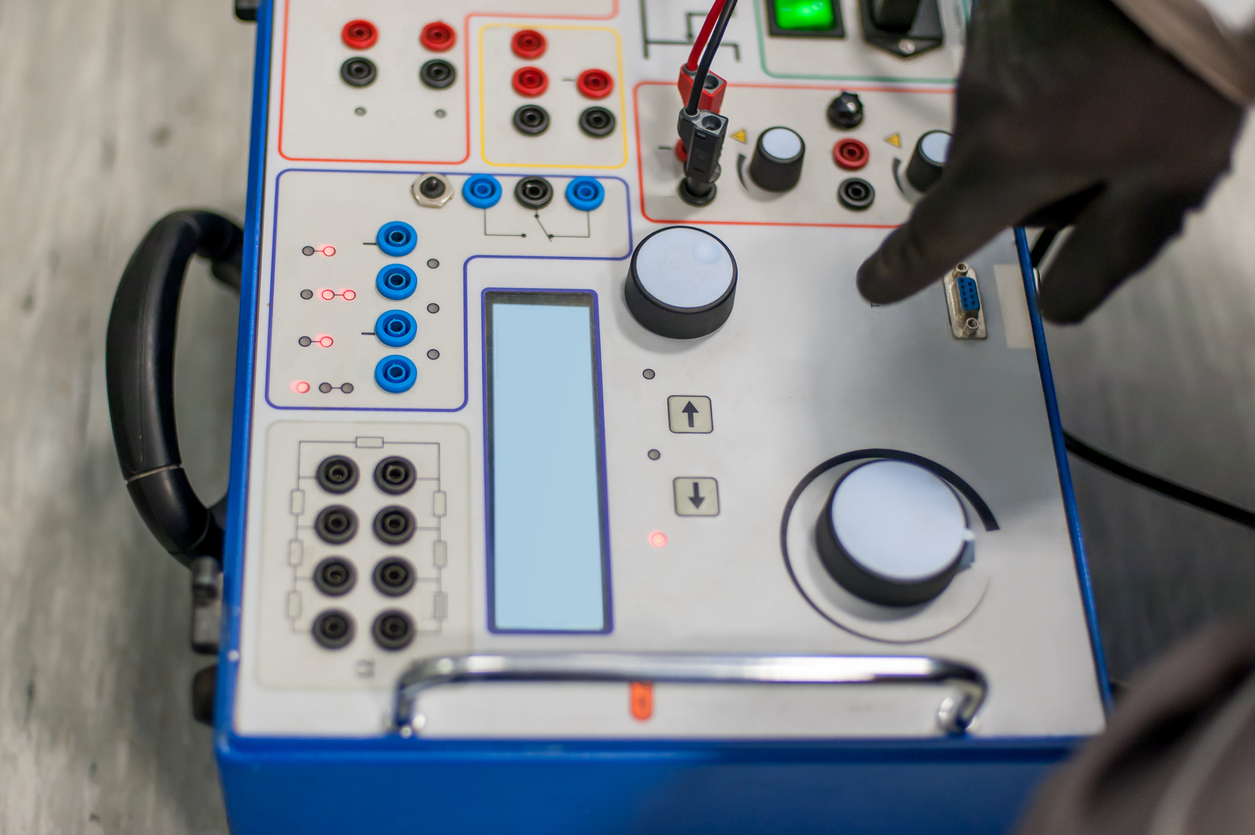
A load bank test is basically a stress test for your power equipment. Instead of hooking up your shop tools or home appliances to see if the generator works, a trained technician connects your machinery to a specialized unit that gives it a controlled electrical current. This simulates a full-capacity situation in a safe environment without risk to your electrical system. Our team will safely test the machine all the way up to 100% capacity, watching every detail.
Why Your Backup Generator Needs Testing
Backup generators need routine load testing to remain reliable during actual electrical failures, when you really need it.
- Preventing Wet Stacking: Diesel generators are built to work hard and run hot. If they frequently run well below their capacity, unburned fuel and carbon will build up inside the system. Running a controlled, full-load test will burn off the buildup, preventing engine damage.
- Verifying Capacity: A generator might easily power some small things during a quick test, but that doesn’t mean it can run your HVAC system when the grid goes down. Testing confirms the unit can really deliver its rated load.
- Emergency Reliability: When a bad storm hits the area, you need absolute certainty your backup power will work. Load bank testing significantly reduces the risk of total failure during a real emergency.
Protecting Your Welding Equipment
Generators are not the only machines that need consistent evaluation. Professional welding equipment also benefits from load testing.
- Sustained Performance Check: High-quality fabrication needs consistent output. Load testing ensures your welder can hold its arc without dropping power or overheating.
- Protecting Weld Quality: Instability in voltage or current will ruin weld quality. Testing shows electrical inconsistencies before they affect a job.
- Extending Machine Life: Catching early warning signs like internal cooling issues, degraded cable connections, or component stress lets you address minor repairs before they turn into bigger ones.
Our Testing Process
When we go to work on your machine, we perform a rigorous, step-by-step evaluation of your machinery.
- Baseline Inspection: We start with a visual and mechanical check of the machine, looking at the external connections and internal cooling systems.
- Incremental Loading: Once the machine is cleared, we apply the load in stages, typically hitting 25%, 50%, 75%, and 100% of the rated capacity.
- Data Monitoring: Throughout each stage, we record the voltage output, current draw, frequency, engine temperatures, and overall fuel consumption.
- Full-Load Sustain: We hold the unit at maximum capacity for a sustained period to ensure it doesn’t drop voltage under heavy stress.
- Cool-Down and Final Check: We start the cool-down phase and perform a final check to double-check that the equipment is ready to go back to work.
Don’t wait until your equipment fails to find out it doesn’t work. Catching performance drops early saves you time, money, and headaches down the road. Contact Zaskoda Repair at (979) 224-0510 today to schedule your equipment for a complete diagnostic evaluation, or check out our Load Bank Testing Services page to learn more about keeping your machinery in good condition.